"This 'Performer Edition' is a simplified version of our Symptohm:Melohman powersynth, especially made for live use - but being also handy at the studio. The core of the synth, its oscillators and all the filters are there: it's the same audio engine of the 'normal' version. The only difference is that they're all already programmed/fixed for each one of the (up to 1200!) patches from Symptohm's sound library, the result being a simple and straight forward interface."
YouTube via NovationTV "Novation have launched StepSeq, a free Max For Live Patch that turns Launchpad into a fully fledged melodic step sequencer. Conceived as a cool but powerful sequencer to enable Launchpad users to programme melodies, leads and basslines quickly in Live, the buttons are configured diatonically (as opposed to chromatically, as with a traditional step sequencer). The degree of the scale and its tonal centre can be set by the user, meaning that, once set up, any note you trigger in your sequence will fit in harmonically with your track, making it really easy to keep within the context of the song."
"the practice room.....................elektrobahn live february 19th 2009 scottsdale museum of "contemporary art" ...........Servos equal explain sub bass to police....."
"The Ekdahl Moisturizer is a spring reverb where the springs are exposed so they can be played/hit/fiddled with. I was just playing around this afternoon with various objects, magnets, marbles, tuning forks, mechanical bugs, and slinky coils. Running the audio through a Tiptop Z-DSP. Quite fun.
YouTube via organfairy "This melody is made entirely on the Yamaha Portasound PSS-290 and is more or less a demonstration of some of the sound this little keyboard can do. The PSS-290 works with a simple FM synthesizer which puts a limit on the authenticity of the acoustic voices. But there are some great sci-fi sounds that can be used for melodies like this one."
YouTube via thetonewrecker "Bitchin' Sync test run Dec 17 2009. Din Sync multiples. Clock and Start/Stop 1/4" inputs as well as inputs connecting to pin 4 and pin 5 which can offer up surprises depending on what machines you connect them to. Now it is running one side to the Acidlab Bassline V2 and one over to the Roland MC-202. The touch panel on the BugBrand CTL1 panel is connected to the Start/Stop input and clock rate is coming from the VCO on the BugBrand. Both Din Sync cables are getting the same signals in this test."
Paul Birken more testing on Bitchin' Sync - separate signals to separate machines.
"Bitchin' Sync test run Dec 17 2009. Din Sync multiples. Clock and Start/Stop 1/4" inputs as well as inputs connecting to pin 4 and pin 5 which can offer up surprises depending on what machines you connect them to. Now it is running one side to the Acidlab Bassline V2 and one over to the Roland MC-202. The touch panel on the BugBrand CTL1 panel is connected to the Start/Stop input and clock rate is coming from the VCO on the BugBrand. Both Din Sync cables are getting the same signals in this test."
Paul Birken Bitchin' Sync dual sequencer trigger start/stop test
"Bitchin' Sync test run Dec 17 2009. Din Sync multiples. Clock and Start/Stop 1/4" inputs
Now it is running one side to the Acidlab Bassline V2 and one over to the Roland MC-202. Two different channel rows on the BugBrand CTL1 panel are connected to the Start/Stop input and clock rate is coming from the VCO on the BugBrand. Both Din Sync cables are getting the same VCO clock signals in this test. Each of the 4 steps running on the CTL1 can be set "off", or turned up to have a 5v signal. This gives various patterns to each of the two machines for starting and stopping them."
Bitchin' Sync passing control to Acidlab Bassline from BugBrand Modular.
"Another Bitchin' Sync test run Dec 17 2009. Din Sync multiples. Clock and Start/Stop 1/4" inputs
Now it is running one side to the Acidlab Bassline V2. One of thechannel rows on the BugBrand CTL1 panel is connected to the Start/Stop input and clock rate is coming from the OSC 1 on the BugBrand Weevil panel (which is also getting cv modulation from OSC2). Each of the 4 steps running on the CTL1 can be set "off", or turned up to have a 5v signal. This gives various patterns to the Acidlab for starting and stopping the sequence it is running."
QBGk~%24(KGrHqQOKioEry9uc,ReBLGDB0DF)!~~_12.JPG) via this auction BIN: $650.00
via this auction BIN: $650.00
gCGk~%24(KGrHqQOKioEry9uc,ReBLGDB8VzSQ~~_12.JPG)

 Free on Ohm Force
 flickr by jimmy now lives in sun city









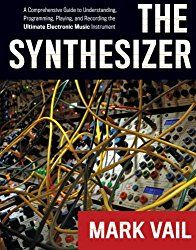
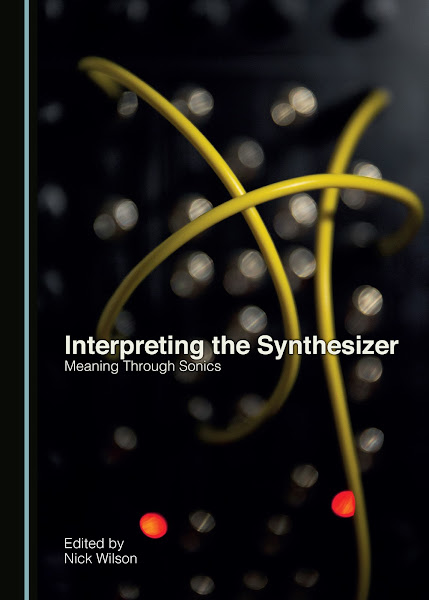
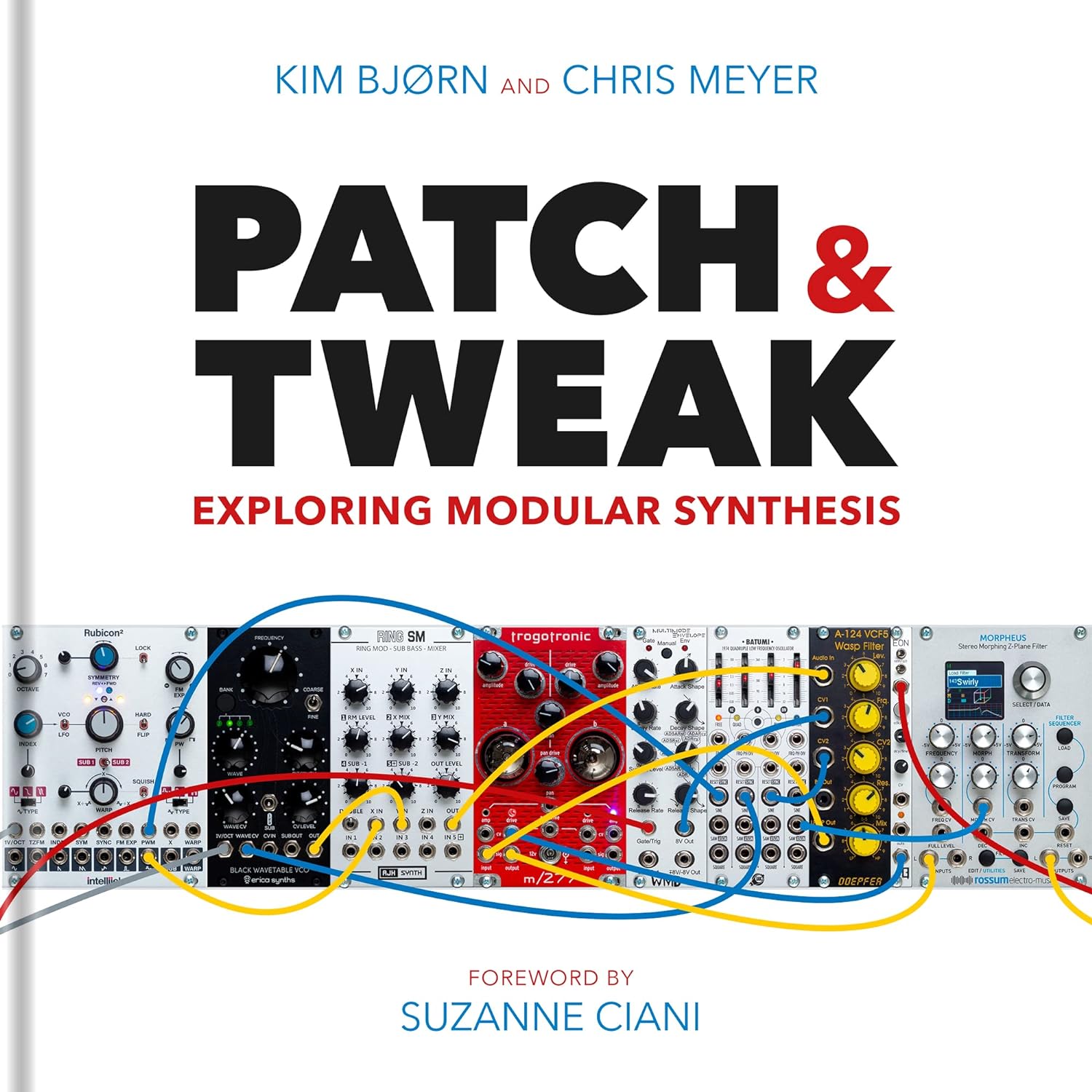
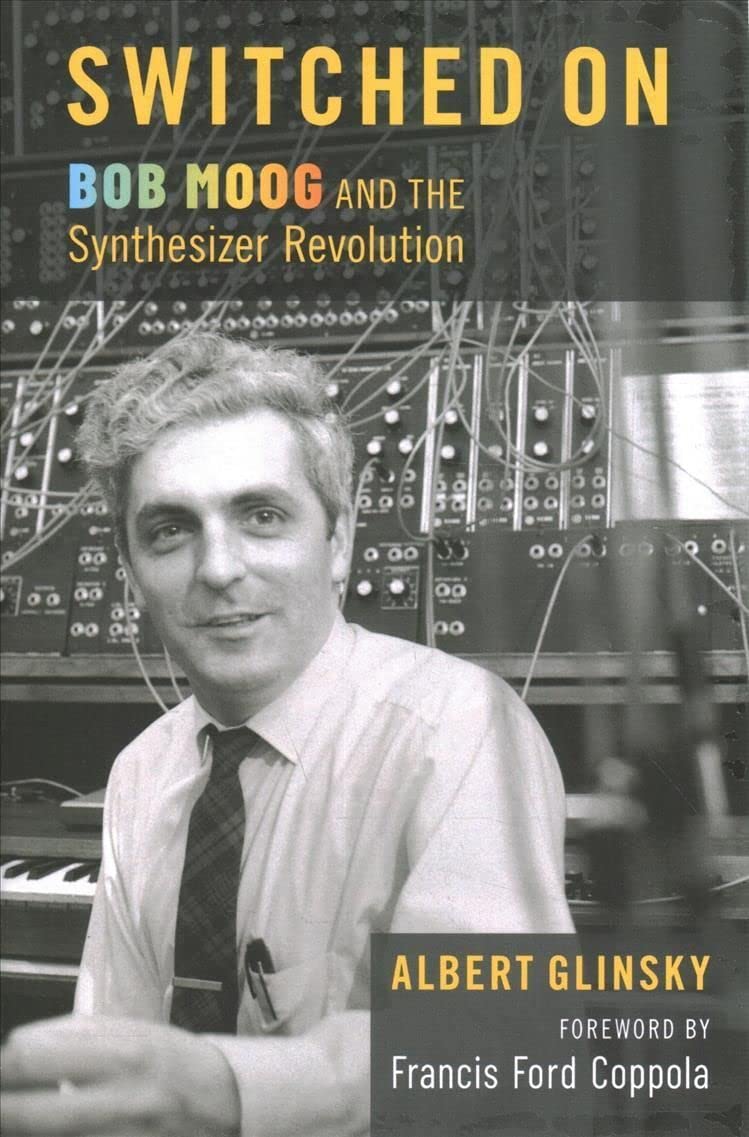


wlqBrBLKnF5G7Kg~~_3.JPG)
0BLKm8f2ILg~~_3.JPG)

